🔦 TACTICAL FLASHLIGHT BUYER’S GUIDE · 2026
Best Tactical Flashlights For SHTF Prepping
5 EDC + bug-out flashlights studied, ranked, and compared.
When the grid drops, a $30 hardware-store light dies in 4 hours and a $45 ThruNite runs for days. Here’s which tactical flashlight actually belongs in your bug-out kit — from $45 budget hero to $135 prepper darling.
🎯 BOTTOM LINE UP FRONT
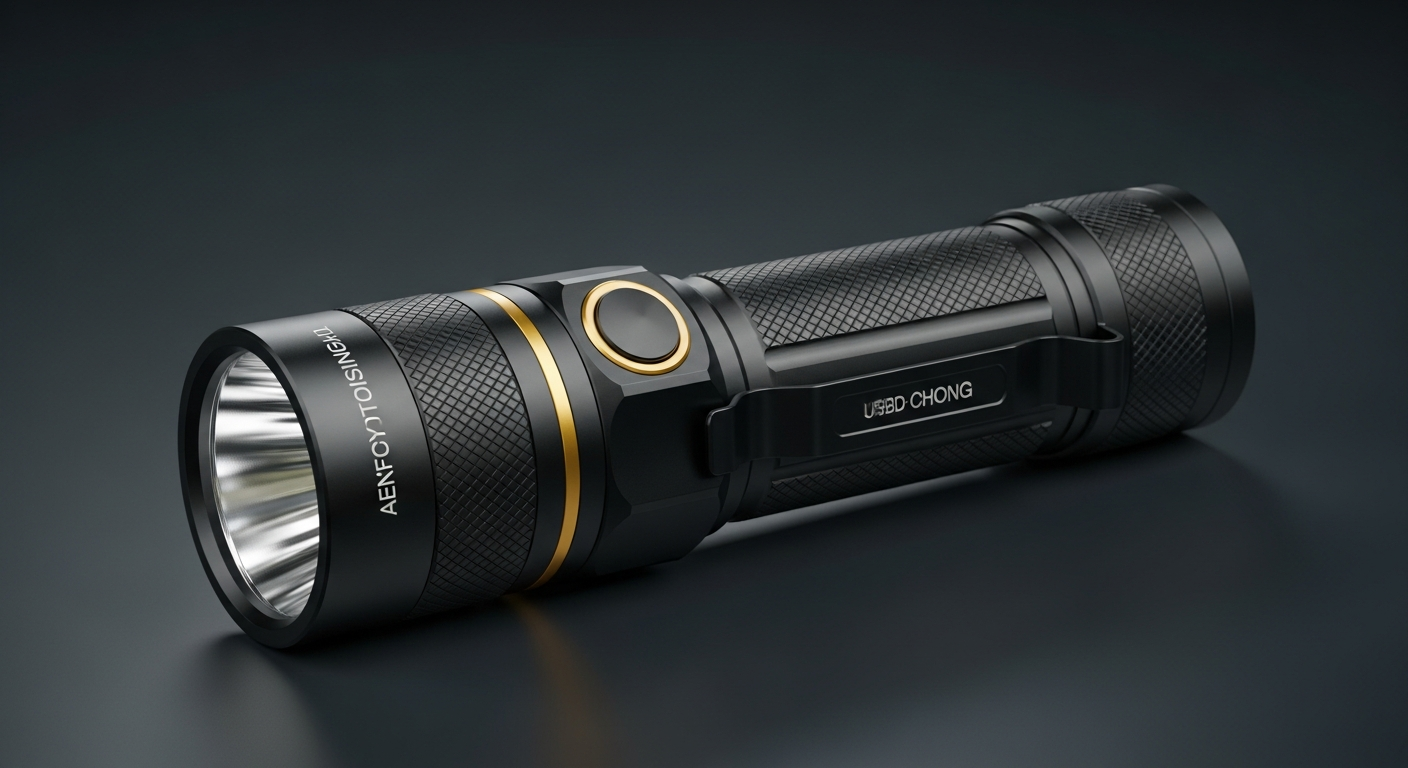
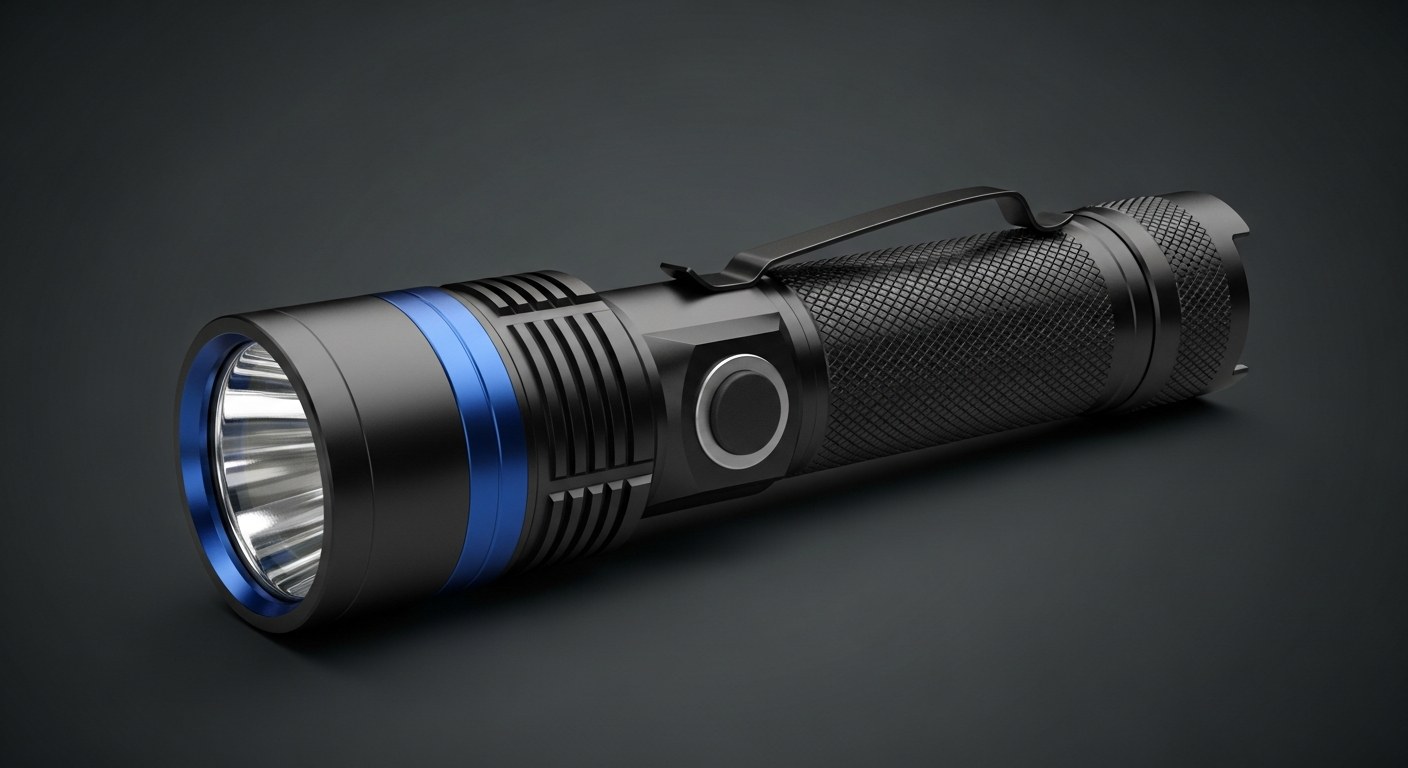
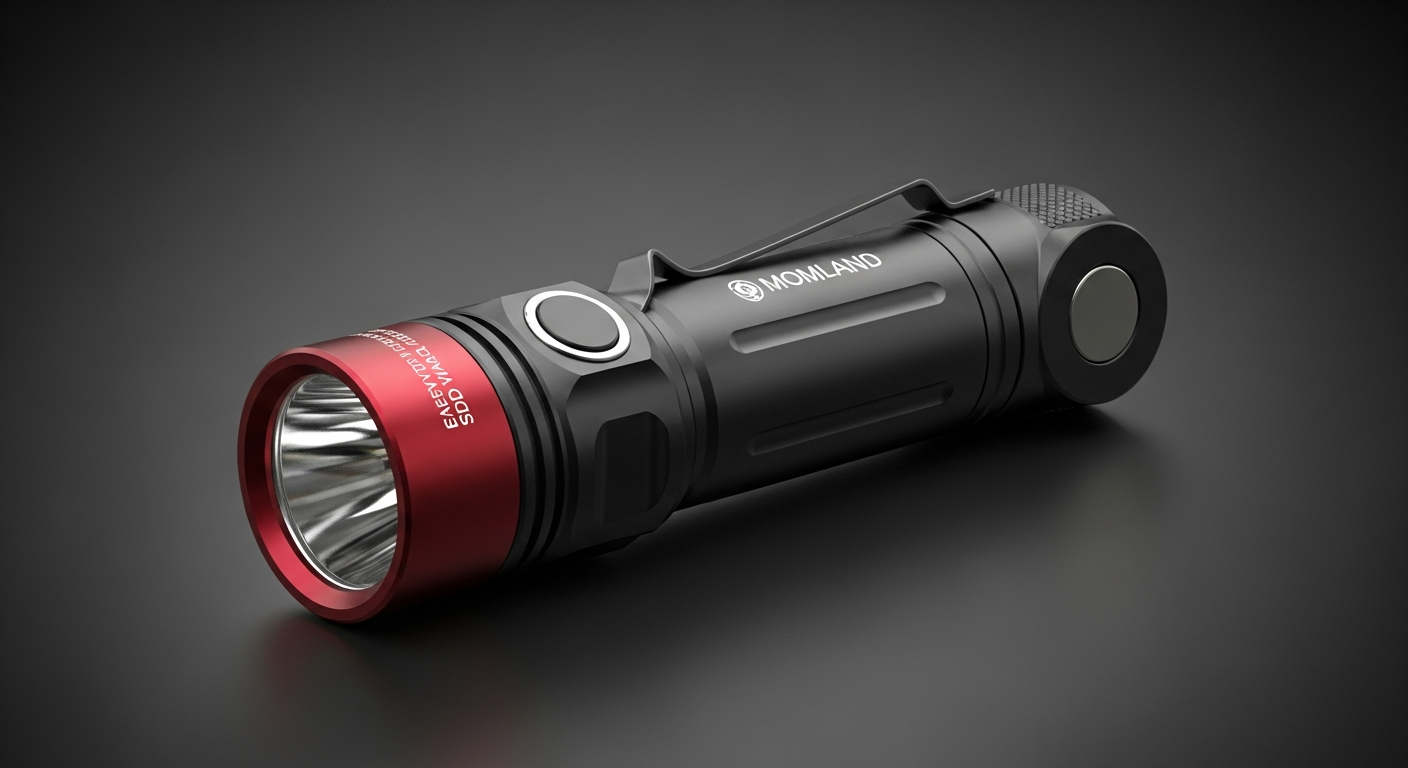
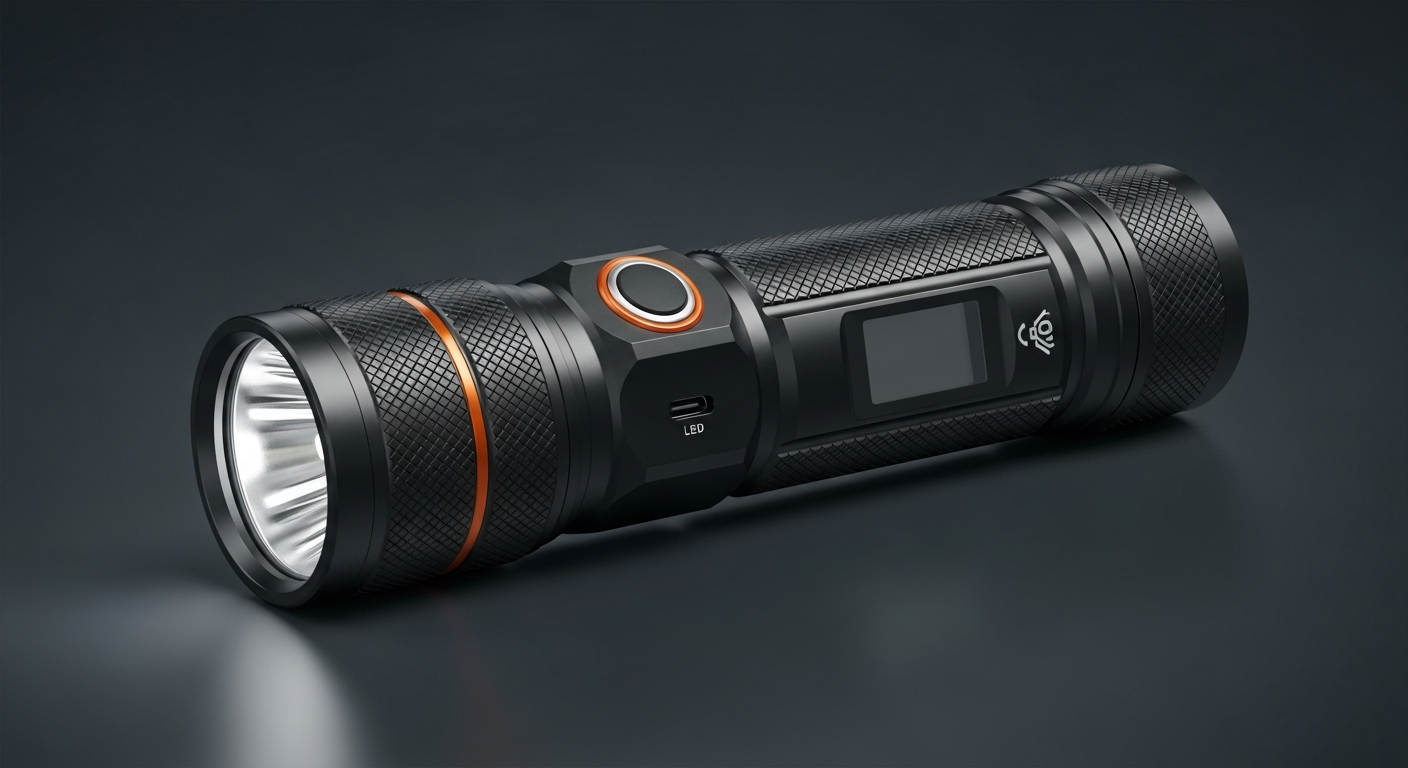
⭐ Top Pick: Fenix PD36R Pro — the most-recommended prepper EDC flashlight on the market. 2,800 lumens, USB-C rechargeable 21700 battery, dual switches, and a beam that punches a quarter mile. If you can only buy one tactical light, buy this one.
📡 Get the Free Off-Grid Lighting Plan
The exact 3-tier lighting setup for SHTF: pocket EDC, headlamp for hands-free work, and area lighting for the whole shelter. Plus spare battery rotation schedule.
No spam. One email. Unsubscribe anytime.
Research note & sources
Our picks are research-based and grounded in the published measurement standards and safety guidance below. We summarize the key facts in our own words and link to the original sources so you can verify them:
- Reputable flashlight specs follow the ANSI/PLATO FL1 standard, which defines how six performance numbers are measured — light output (lumens), beam distance, runtime, peak intensity, impact resistance and water resistance (IPX rating) — so brands can be compared on equal footing. Source: ANSI/PLATO FL1 Standard overview.
- A lumen measures total light output while a candela measures intensity in one direction — which is why a lower-lumen light with a tight beam can still throw farther. These are formally defined SI photometric units. Source: NIST — Realization of the Lumen.
- The high-output lithium-ion cells these lights use (18650/21700) demand correct storage and transport — keep them in cases, never loose with metal, and follow carry-on rules when flying. Source: FAA PackSafe — Lithium Batteries.
How To Choose Your Tactical Flashlight
6 lessons the cheap-flashlight crowd learns at 3am during a blackout.
LESSON #1 · LUMENS LIE — CHECK CANDELA
Lumens = total light output. Candela = how far the beam throws. A 5,000-lumen flood light at 50ft is useless for spotting movement at 200ft. For prepper use, you want at least 10,000 candela and a focused beam.
LESSON #2 · 18650 / 21700 OR DON’T BOTHER
AA/AAA tactical lights peak around 300 lumens. Real performance comes from 18650 or 21700 lithium cells. Bonus: the same batteries power most quality headlamps, lanterns, and even some radios. Standardize on one cell type across your kit.
LESSON #3 · USB-C ON THE BODY, NOT THE CRADLE
Proprietary charging cradles get lost. USB-C built into the light body means you can charge from any power bank, solar panel, or car USB port. Lose the cable, grab another — light still works.
LESSON #4 · LOW MODES MATTER MORE THAN HIGH
You’ll use the 5–30 lumen low mode 95% of the time for camp tasks, room navigation, and reading. A good low mode runs 100+ hours. Lights with no true low mode burn battery just for you to read a label.
LESSON #5 · 3 LIGHTS, NOT ONE
A prepper lighting kit has three layers: pocket EDC tactical (Fenix/Streamlight), hands-free headlamp (for cooking, working, walking), and area lantern (for the shelter). Don’t try to make one light do all three jobs.
LESSON #6 · ROTATE YOUR BATTERIES
Lithium cells self-discharge ~5% per month. A flashlight stored 6 months can be at half charge before the crisis even starts. Charge to 80%, rotate every 90 days, and keep one spare per primary light.
Frequently Asked Questions
How many lumens do I actually need for a prepper flashlight?
For EDC: 800–1,500 lumens is the sweet spot. For dedicated bug-out / search: 2,000+ lumens. Anything under 500 lumens is camping-grade, not survival-grade. The Fenix PD36R Pro at 2,800 lumens covers both jobs.
Are these flashlights safe to carry in public?
Yes — tactical flashlights are unrestricted civilian gear in all 50 states. They’re legal in carry-on luggage. Concealed-carry permit holders routinely carry them as less-lethal force-multiplier tools. Schools and federal buildings may restrict tactical “strike bezel” models — check signage.
Will the Fenix PD36R Pro work as a self-defense tool?
Yes — a 2,800-lumen strobe directly in the eyes causes temporary blindness and disorientation up to 30+ feet. Combined with the crenelated strike bezel, it’s a serious less-lethal option. Not a substitute for a real self-defense tool — but a meaningful first step in a layered defense plan.
How long do 18650 and 21700 batteries last in storage?
Sealed and stored at room temperature, 5–10 years. Self-discharge means you should top them off every 6 months. Buy quality cells (Sony, Samsung, Molicel) — never buy “ultrafire” / “9900mAh” no-name cells from gas stations. They’re often half the rated capacity and a fire risk.
Why is the ThruNite TC15 cheaper than the others?
Lower brand recognition, lower marketing budget — not lower quality. ThruNite uses the same Cree LEDs and quality Chinese aluminum as Fenix/Olight, but doesn’t pay for the sponsored YouTube reviews. Genuinely solid performance for the budget-conscious prepper.
Should I get a headlamp instead of a tactical flashlight?
Get both. A headlamp is essential for hands-free work (cooking, gathering firewood, walking at night). A tactical flashlight is for spotting threats, signaling, and emergency strobing. They solve different problems — don’t pick one over the other.
⭐ THE TOP PICK
Light up the dark — get the PD36R Pro.
2,800 lumens. USB-C rechargeable. Quarter-mile beam. Built like a Swiss watch and priced like a quality EDC knife. Every prepper kit deserves one of these in the front pocket.
⚡ Get The PD36R Pro on Amazon →As an Amazon Associate, bogriddowngear.com earns from qualifying purchases. This costs you nothing extra and helps fund our independent prepper testing. Read our full affiliate disclosure →