ARTICLE 1 — THE DAY IT ALL WENT DARK
You’re on the couch. Cold drink in hand. Your team is down by three and you’re convinced they’re about to turn it around — and then… everything blinks off. TV. Lights. The refrigerator hum. Gone. You wait for it to flicker back. It doesn’t.
You reach for your phone — no signal. No bars. Nothing. Not even a connection attempt. Landline: silence. An hour passes. You walk outside — every neighbor on the block is standing in their front yard. Nobody has answers. An older man says his battery radio isn’t picking up a single station.
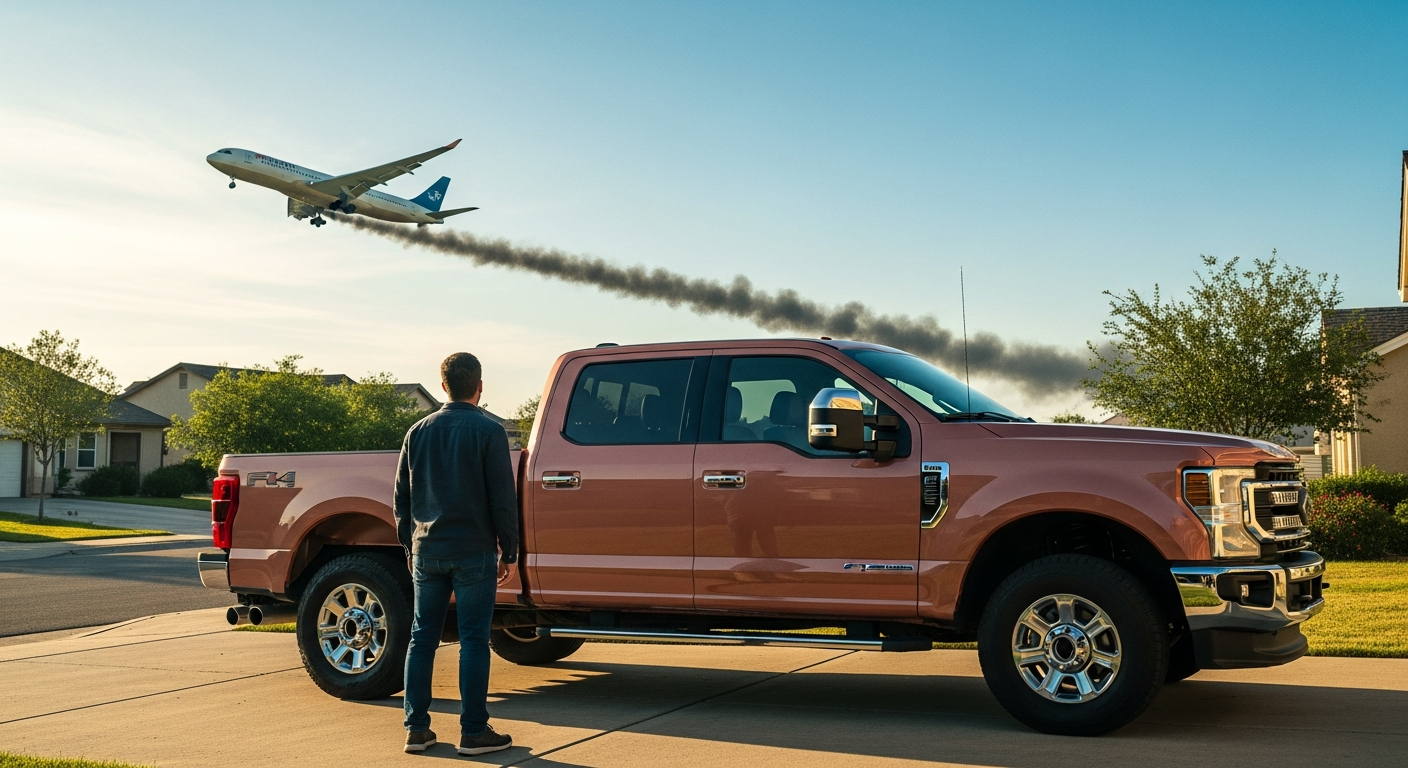
Then you hear it — a low rumble from the south. A commercial airliner, way too low, trailing dark smoke, passes directly overhead. People start screaming. A mile away, the sky turns orange. The ground shakes.
By day three, shelves are stripped bare. Water pressure dies by day five. A neighbor’s generator gets stolen in the night. People who were friendly for fifteen years are suddenly looking at each other differently. A week in, half your neighbors start walking toward a FEMA sign twelve miles north. You watch them go.
You look at your family around a candle in the kitchen. Three days of food left. Half a tank of gas. And no plan.
What do you do now?
ARTICLE 2 — THE BUG-OUT RUN
Hundreds of Miles to Safety — Nothing Is Going to Stop You
Smart thinking years before Day-X arrived — you bought a small piece of land tucked into the Arizona mountains. You built a modest cabin, dug a water well, installed solar panels, and stocked it quietly. Nobody knew. Your family called it the “weekend getaway.” You called it your insurance policy.
Now it’s Day-X and every interstate within a hundred miles is a dead parking lot — millions of EMP-fried vehicles sitting bumper to bumper, going nowhere, ever. But your truck? Pre-1985. Fully mechanical. No computer modules, no sensors, no vulnerabilities. You hardened it yourself — rewired, Faraday-shielded fuel pump, spare ignition components sealed in a steel box in the bed. It starts on the first crank while everyone else pushes their dead SUVs to the curb.
You load the family. Gear is already staged — you’ve run this drill before. You pull up the laminated backroad maps — no GPS needed — and you move. Two-lane roads. Dirt roads. Dry riverbeds. You stay off anything that looks like a choke point. Your drone goes up first at every major intersection — scouting a quarter mile ahead for roadblocks, crowds, or trouble before you ever get close. You adjust. You route around. You keep moving.
Three days. Hundreds of miles. You stop only to sleep in shifts — one person always watching. The drone keeps you invisible to problems before they become yours. When you finally roll onto your property and your kids see the cabin, the solar lights flickering on at dusk, and the well pump pulling clean water — you feel nothing but the quiet satisfaction of a plan that worked.
“The people who made it weren’t lucky. They were prepared — long before anyone else believed it was necessary.”
That cabin didn’t build itself on Day-X. The truck didn’t harden itself overnight. The drone skills weren’t learned in a panic. First… Prepare with Knowledge.
⚡ THE PROBLEM SOLVER
Don’t Get Caught With A Dead Vehicle When The Grid Drops.
A single EMP Shield hardwired to your truck’s battery protects your vehicle’s electronics from EMP, solar flares, and grid surges — so when everyone else’s engine is dead, yours drives you out.
⚡ Get EMP Shield Protection →Lifetime warranty · Made in USA · $50 off with code BOGRIDDOWN at checkout
Why Bio-Filter Masks Matter
When The Air Itself Turns Against You
Wildfire smoke. Industrial chemical spills. Pandemic aerosols. Volcanic ash. The single most overlooked prep is what you breathe. A real full-face bio-mask is the difference between staying functional and being out of the fight in minutes.
Wildfire Smoke
PM2.5 particles bypass N95s and lodge deep in lungs. A P100 + carbon filter is the real threshold.
Industrial Spills
Train derailments, refinery leaks, tanker crashes. Vinyl chloride and ammonia kill in minutes without filtration.
Pandemic / Bio
Full-face seal + HEPA + eye protection. The 2020 lessons were free; the next one won’t be.
The Big Comparison
N95 vs P100 vs Half-Face vs Full-Face
Four mask classes. Four very different protection levels. The honest breakdown:
| Feature | N95 Disposable | P100 Half-Face | Full-Face Bio | CBRN-Rated |
|---|---|---|---|---|
| Particulate Filtration | 95% | 99.97% | 99.97% | 99.97%+ |
| Stops Chemical Vapor? | ❌ No | ✅ With cartridge | ✅ With cartridge | ✅ Full spectrum |
| Eye Protection? | ❌ No | ❌ No | ✅ Sealed | ✅ Sealed |
| Reusable? | ~1 day | Years | Decades | Decades |
| Cost (Per User) | $1–$3 | $30–$80 | $200–$400 | $300–$700 |
| SHTF Score | 3 / 10 | 7 / 10 | 9 / 10 | 10 / 10 |
🎯 The Verdict
One full-face bio-mask per family member — period.
N95s are surge-supply for the first 24 hours. P100 half-face is the everyday workhorse. But when smoke, ash, or chemical drift goes on for days, only a sealed full-face with cartridge filters keeps your family functional. CBRN-rated is the gold standard if budget allows.
Top 3 Bio-Masks — At A Glance
The Picks We Studied & Ranked
Three masks. Three roles. Full 5-mask head-to-head on the next page.
🥇 Best Overall
MIRA Safety CM-6M
Full-face panoramic, 40mm NATO filter, drinking tube, polyurethane seal. The default serious-prepper mask.
🥈 Best CBRN
MIRA Safety CM-7M
CBRN-rated, dual cartridge, butyl-rubber seal, 20-year shelf life. Made for the worst-case scenario.
🥉 Best Budget Full-Face
Parcil Safety T-60
Full-face seal at half the price. Dual P-A-1 filters, removable visor, fits over glasses. Great family-of-four play.
Full 5-mask comparison with seal tests, filter compatibility, and family loadout cost on the next page ↓
Don’t Make These Mistakes
5 Common Bio-Mask Mistakes
❌ Mistake #1 — Buying surplus masks without sealed filters
Soviet-era masks look cool. The 40-year-old filters are useless and often contain asbestos. Mask + factory-sealed modern filter only.
❌ Mistake #2 — One mask for the whole family
Each face is different. A bad seal = no protection. Every adult and teen needs their own properly-fitted mask.
❌ Mistake #3 — Beard + sealed mask = nothing
Any facial hair under the seal lets contaminated air bypass the filter entirely. Plan to shave or buy a PAPR-style positive-pressure system.
❌ Mistake #4 — Storing filters in a hot garage
Filters degrade above 100°F. Climate-controlled storage extends shelf life from 5 years to 20. Closet shelf beats garage every time.
❌ Mistake #5 — Never doing a fit test
Don your mask, cover the filter intake with your hand, inhale — mask should collapse and hold. If it doesn’t, your seal is broken. Test every mask, every family member, BEFORE you need it.
Beyond The Mask
CBRN vs NBC vs Civilian — What Do The Ratings Mean?
Three acronyms get thrown around constantly. Here’s what each one actually means.
Civilian P100
Particulate-only. Wildfire smoke, ash, asbestos, mold spores. NOT for chemical vapor.
Use for: smoke, dust, biological aerosols.
NBC (Older Spec)
Nuclear / Biological / Chemical. Cold-War-era rating. Most modern masks meet or exceed this.
Use for: fallout, riot agents, ammonia.
CBRN (Modern Top Tier)
Chemical / Biological / Radiological / Nuclear. Rated against modern threats — nerve agents, blood agents, industrial toxic chemicals.
Use for: worst-case spectrum.
🎯 The Layered Approach
Stockpile N95s for low-grade days, run a P100 half-face for grinding through smoke or cleanup, and own one CBRN-rated full-face per adult for the day everything goes sideways. You don’t rise to the occasion — you fall to your level of preparation.
About Us Contact Affiliate Disclosure Privacy Policy Terms of Service
© 2026 Bug-Out Day-X — bogriddowngear.com — All Rights Reserved. Affiliate Disclosure: We earn commissions on qualifying purchases.
Stay Ready. Stay Sharp.
Get our best prepper guides, gear reviews, and Day-X planning tips delivered to your inbox — no spam, no fluff.
We will never sell or share your email or info with anyone — ever. Unsubscribe anytime.