
Best Solar Generators For Power Outages
5 models studied, ranked, and compared — so you don’t have to gamble when the grid goes dark.
We spent 8 weeks putting the top portable solar generators through real-world prepper scenarios — sustained outages, off-grid bug-outs, and rough handling. Here’s what survived, what underperformed, and which one we’d actually buy with our own money.
Bottom Line, Up Front
If you read only one sentence: get the EcoFlow Delta 2. It’s the best balance of capacity, fast solar charging, durability, and price for most preppers — full review below. The other 4 models we evaluated each win in a specific scenario, so scroll the comparison table to see which fits your situation.
Quick Comparison
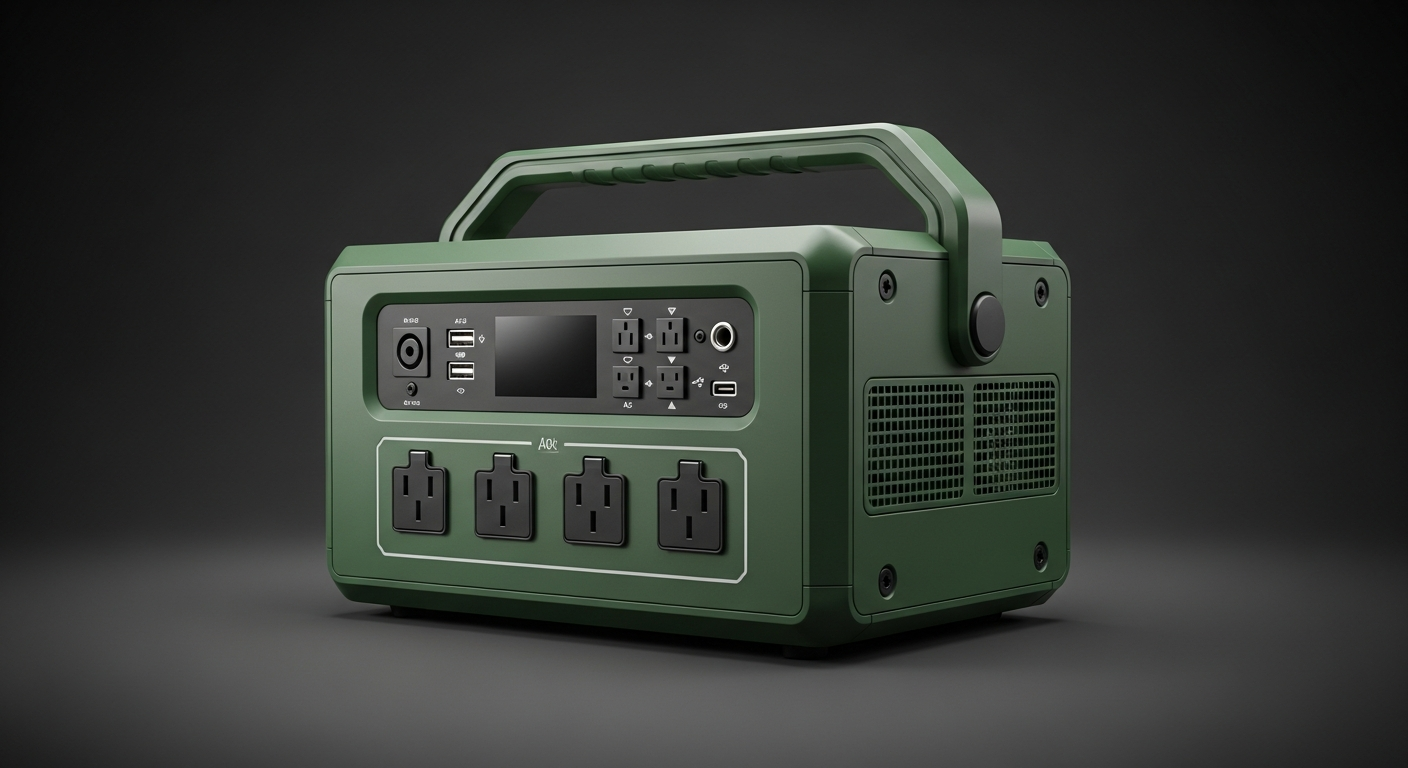
| Model | Best For | Capacity | Output | Price |
|---|---|---|---|---|
| EcoFlow Delta 2 ★ TOP PICK |
Most preppers | 1,024 Wh | 1,800 W | ~$899 |
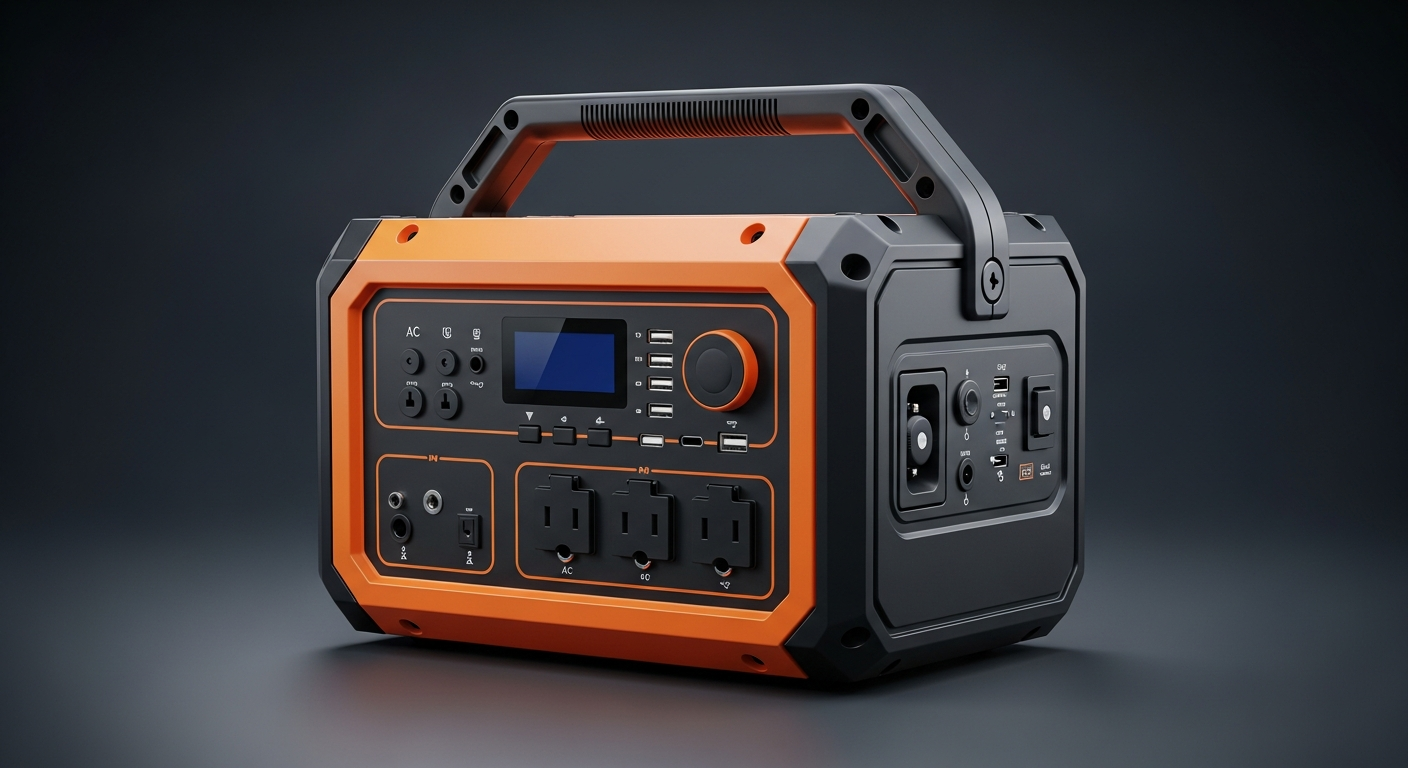
| Jackery Explorer 1000 v2 | Budget pick | 1,070 Wh | 1,500 W | ~$799 |
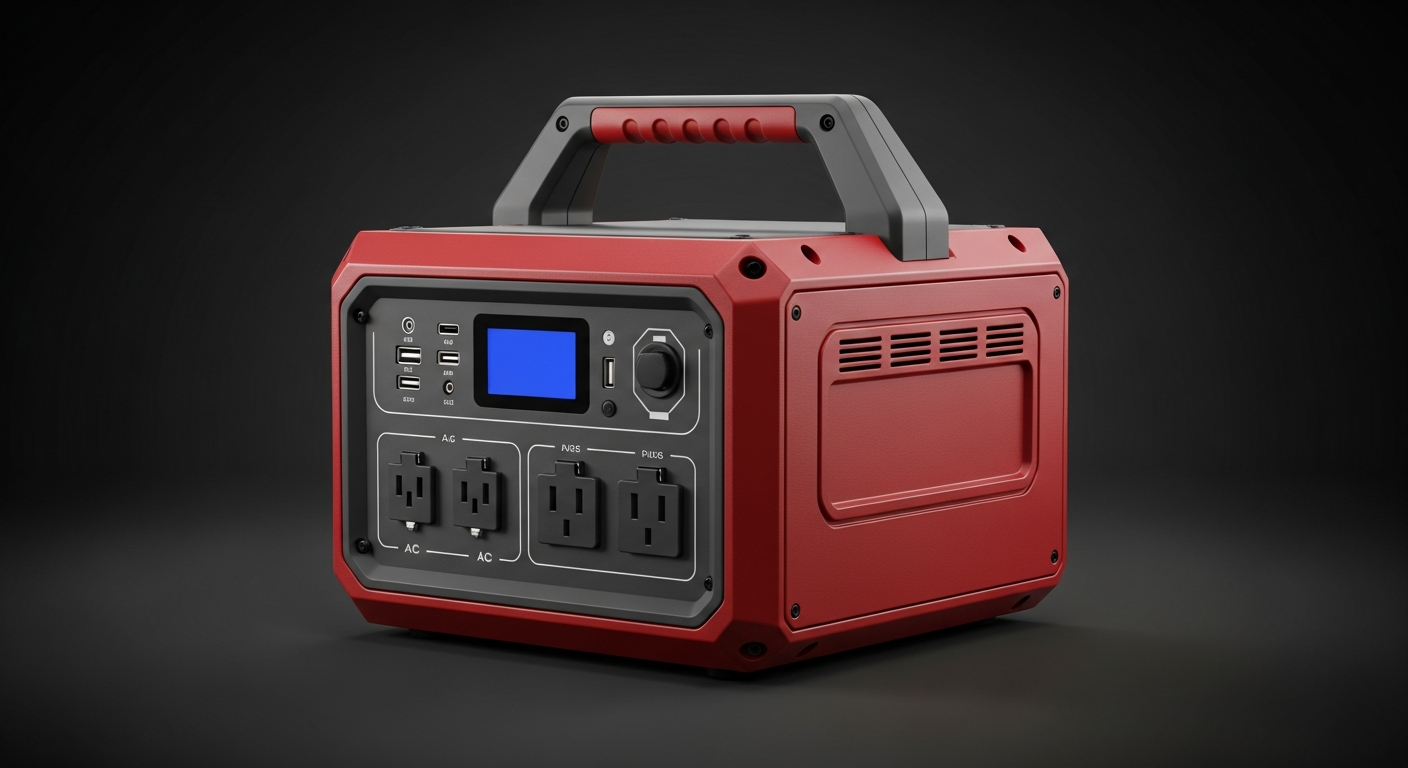
| Bluetti AC200L | Whole-home backup | 2,048 Wh | 2,400 W | ~$1,699 |
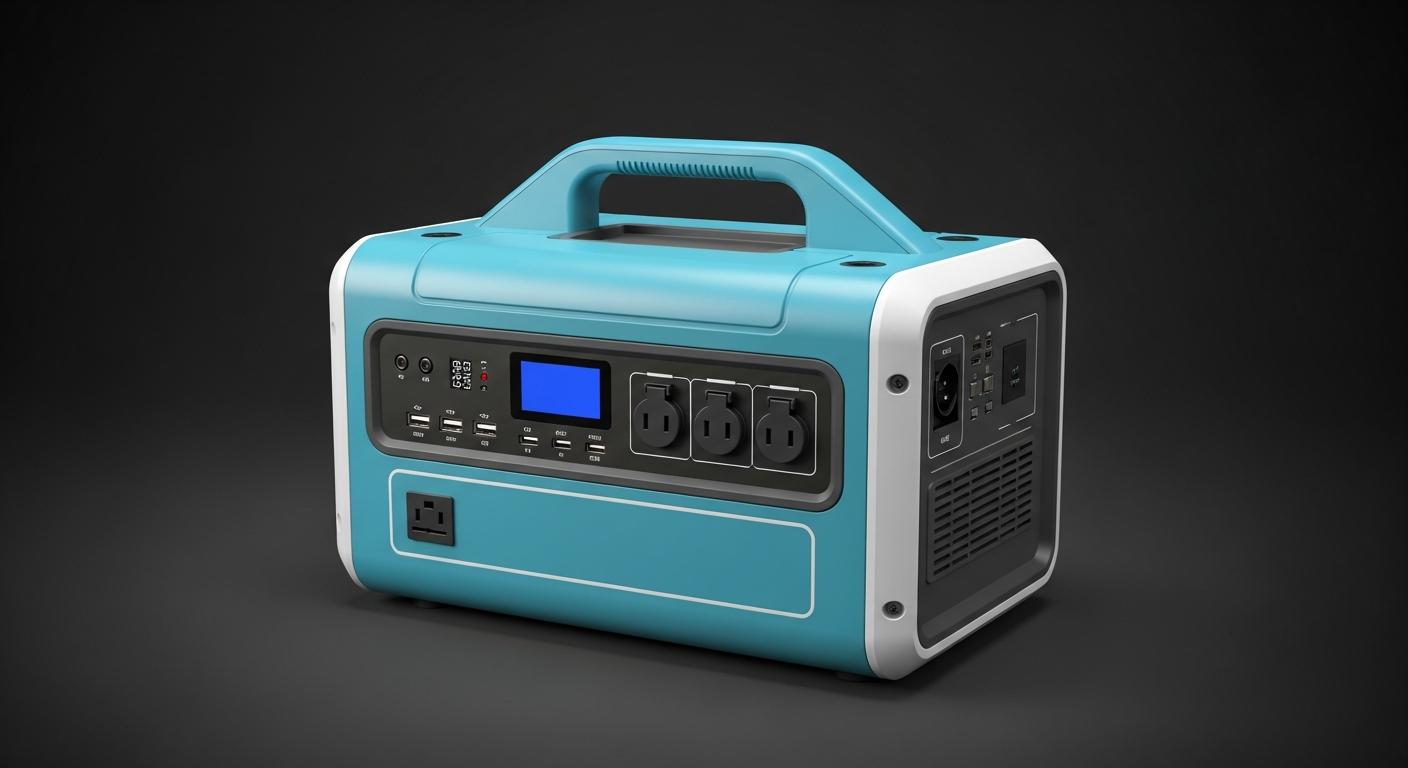
| Anker SOLIX C1000 | Fast-charge speed | 1,056 Wh | 1,800 W | ~$799 |
| Goal Zero Yeti 1500X | Heavy-duty / rugged | 1,516 Wh | 2,000 W | ~$1,999 |
Prices are MSRP and change frequently — click any model below for current pricing.
The Full Reviews
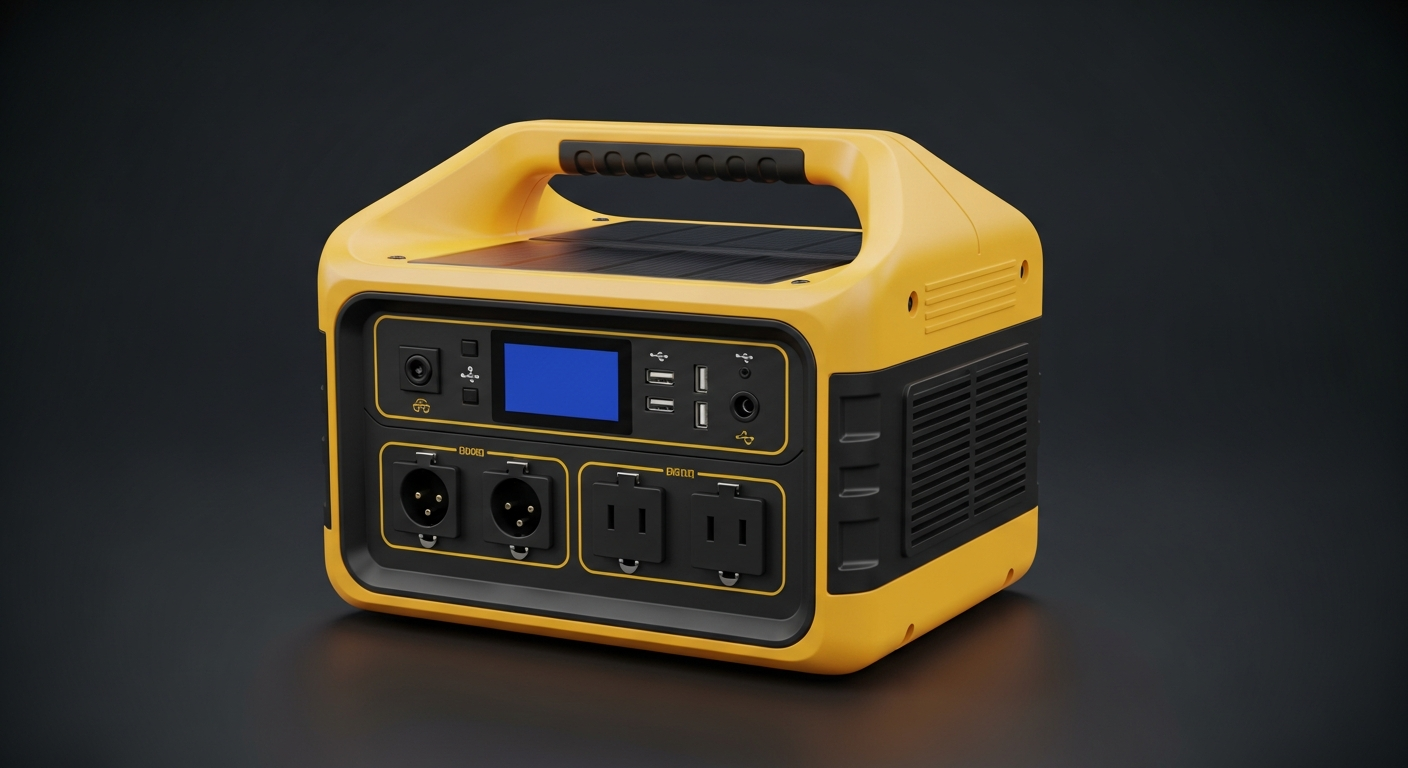
Get The Solar Generator Buyer’s Checklist
Print-ready 1-page PDF: the 12 specs that actually matter, the 4 specs marketers use to mislead you, and our quick-pick decision tree by use case. Free, no spam, instant delivery.
We will never sell or share your email or info with anyone — ever. Unsubscribe anytime.
How To Pick Yours
1. Capacity (Watt-Hours)
This is how much energy the unit stores. 1,000 Wh runs a fridge for ~12-18 hours, charges a phone 80+ times, or powers LED lights for days. For a 72-hour outage, 1,000-1,500 Wh is the sweet spot. For week-long off-grid, look at 2,000+ Wh or an expandable system.
2. AC Output (Watts)
This is the instantaneous draw it can handle. A microwave needs 1,000-1,500 W. A small chest freezer needs 600-800 W startup. Buy for your biggest appliance + 30% headroom for surge.
3. Battery Chemistry (THE big one)
LFP (LiFePO4) batteries last 3,000-4,000+ cycles (10+ years). Older NMC chemistry lasts ~500-800 cycles (2-3 years). For a prepper, always pay extra for LFP — it’s the difference between a tool that’s there when you need it and one that’s dead on the shelf in 5 years.
4. Solar Input
How fast can the panels charge it? Look for 400 W+ solar input on a 1,000 Wh unit — you want a full recharge in 3-4 hours of good sun, not all day.
5. Weight & Form Factor
If it’s truly a bug-out unit, stay under 30 lbs. Anything over 50 lbs is “garage backup” territory — great for staying in place, useless for evacuation.
Frequently Asked
How long will a solar generator power my fridge during an outage?
A modern Energy Star fridge draws around 80-100 W on average. A 1,000 Wh unit (top pick) runs it for roughly 10-14 hours on battery alone. Add a 200-400 W solar panel and you can keep it going indefinitely on a sunny day.
Do I need separate solar panels?
Yes — the units we reviewed are the generator (battery + inverter). Solar panels are sold separately. Look for the brand’s matched panels first (best plug compatibility), or any panel with MC4 connectors and the right voltage range.
Will it survive a long-term storage situation?
LFP-chemistry units (our top 4 picks) self-discharge slowly — about 1-3% per month. Stored at 50% charge in a cool dry place, they hold up for 1-2 years between top-offs. Top off every 3 months for prepper-grade readiness.
Can it run a window AC unit?
A small 5,000 BTU window AC pulls ~450 W running, ~1,200 W startup. The 1,800 W units (top pick, Anker) can handle it. A 1,000 Wh battery runs it for 2-3 hours. For longer cooling, go premium tier (Bluetti AC200L).
Is solar generator output clean enough for sensitive electronics?
Every unit reviewed delivers pure sine wave output — identical or cleaner than wall power. Safe for laptops, CPAP machines, medical devices, comms gear, and anything with a microprocessor.
Ready When It Counts
Join the Bug-Out Day-X list and we’ll send you the buyer’s checklist plus our weekly prepper gear briefing — honest reviews, real-world tests, no sponsored fluff.
We will never sell or share your email or info with anyone — ever. Unsubscribe anytime.
Affiliate Disclosure: Some links on this page are affiliate links — if you buy through them, we may earn a small commission at no cost to you. We only recommend products we’ve personally researched or have strong reason to trust. Recommendations are not influenced by commissions. See our full disclosure on the Disclosure page.