
🌱 Self-Reliance — Heirloom Edition
The Bug-Out Garden
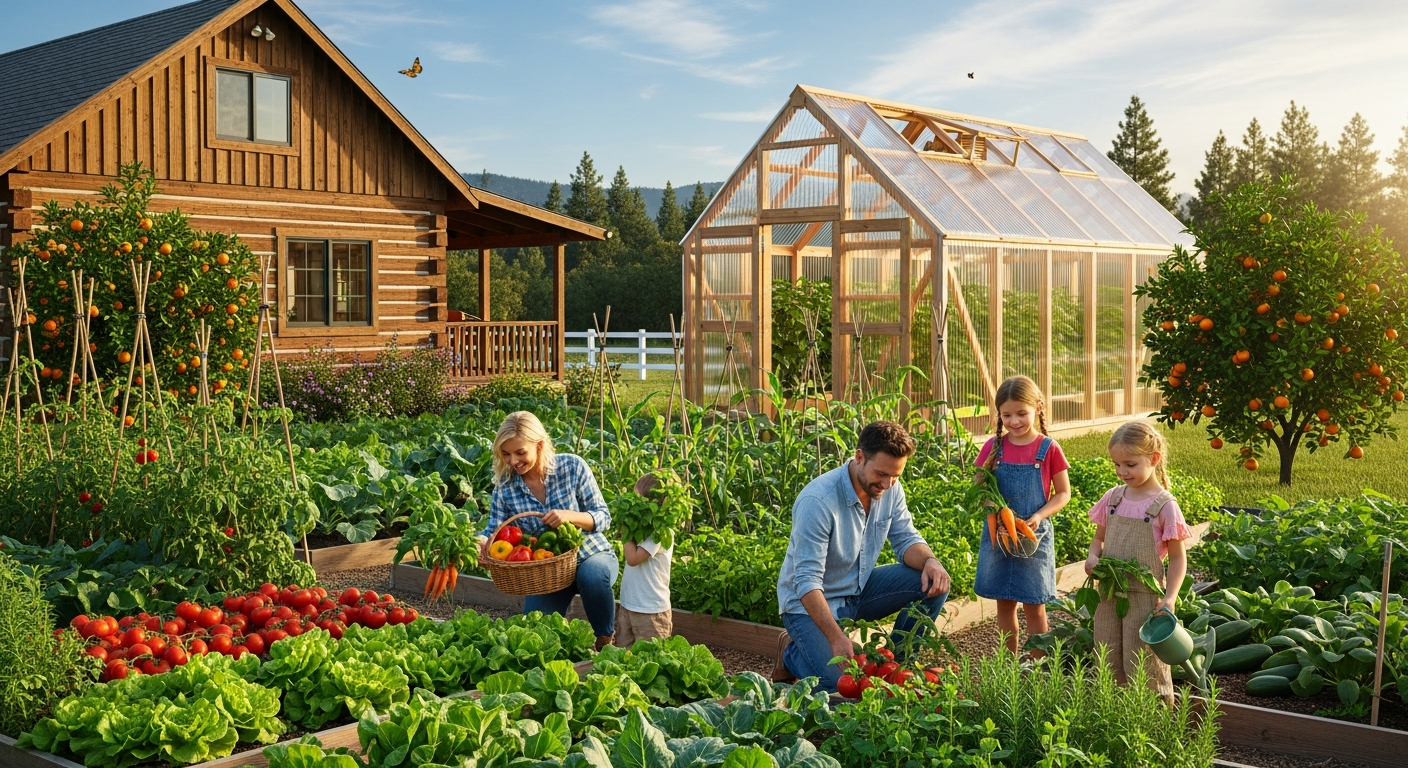
Heirloom seeds reproduce. Hybrid seeds don’t. When the supply chain breaks down, only seeds you can replant from your own harvest will keep feeding your family year after year.
Modern grocery store produce is grown from F1 hybrid seeds — engineered for shelf life, not for reseeding. Plant the seeds from a hybrid tomato and you’ll get a weak, disappointing crop that doesn’t resemble the parent. Heirloom (open-pollinated) seeds are the opposite: they’ve been saved and replanted by gardeners for generations, and every plant produces seeds that grow true to type.
A garden built from heirloom seeds is a garden that may help feed your family indefinitely — one harvest produces both food and next year’s seed bank. That’s the difference between a one-season vegetable patch and a true preventative measure for long-term food independence.
Below are our top picks for building your own bug-out garden — from a single $3 variety pack to sealed survival seed vaults that store for 5+ years.
🌱 Heirloom Seed Picks — Cheapest to Premium
All 100% open-pollinated, non-GMO, and verified heirloom. Save the seeds, replant next year, repeat forever.


All picks ship from the USA. Heirloom = reproducing, non-GMO, save-and-replant.
📚 Trusted Heirloom Source
HeirloomSeeds.com — A Long-Time Grower’s Reference
Family-run heirloom seed company with one of the deepest catalogs of rare and historic varieties online. Worth bookmarking as a reference even outside our affiliate picks.
🐟 Featured Self-Reliance Build
The Backyard Greenhouse & Aquaponics Pond
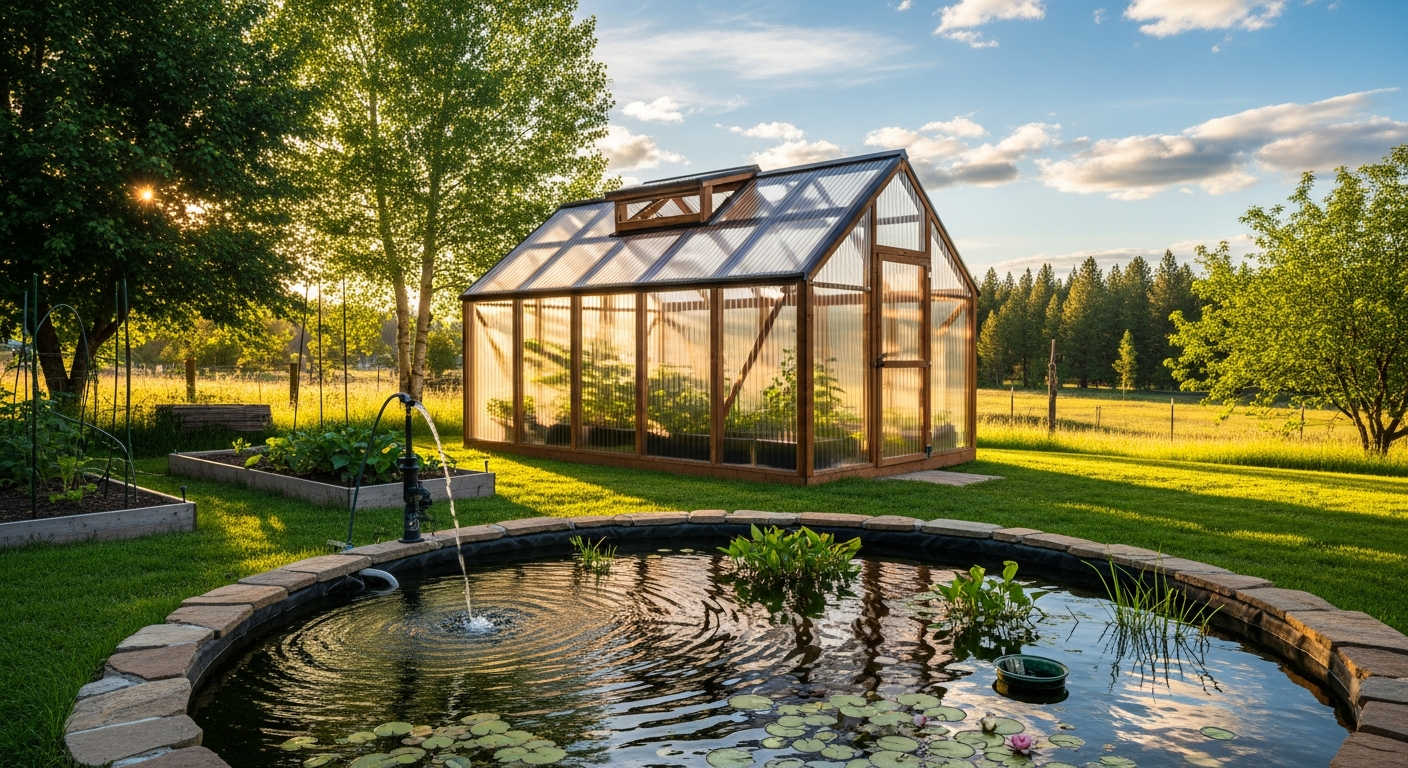
A small 12′ × 26′ polycarbonate greenhouse paired with an outdoor 20′-diameter aquaponics pond — one closed-loop system that may help feed your family year-round on a quarter-acre or less.
🌱 Why Pair a Greenhouse With a Pond?
A greenhouse extends your growing season into late fall and gets a head start in early spring. An aquaponics pond turns fish waste into plant fertilizer and recycles the cleaned water back to the fish. Run them together and you have two food sources from one water and nutrient loop — vegetables and herbs in the greenhouse beds, and fish in the pond. Less water use, no synthetic fertilizer, and you can keep producing food when neighbors’ outdoor gardens are already done for the year.
🏠 The Greenhouse — 12′ × 26′ × 12′ Tall, Gabled
The footprint is just 312 sq ft — small enough to fit in most backyards, big enough for two long raised beds with a center walkway, plus shelf space for seedlings. The gable runs the length of the structure (the 26′ direction) so the long roof slopes shed rain and snow naturally and let in maximum overhead light along the entire growing axis.
A 4″ ridge uplift runs along the peak of the gable. That small raised vent strip is critical — hot air rises and exits through the ridge, pulling cooler air in through low side vents. In summer that passive convection can drop indoor temps 15–20°F without a fan, which may help prevent the heat stress that ruins a closed greenhouse in July.
📐 Build Specs
- Footprint: 12′ wide × 26′ long × 12′ tall at peak
- Frame: Pressure-treated 4×4 posts on concrete piers, 2×6 rafters, 2×4 purlins
- Roof: Gabled along the 26′ length with a 4″ ridge-vent uplift
- Walls & roof panels: Semi-clear corrugated polycarbonate (Tuftex Polycarb or similar) — UV-stable, 90% light transmission, 20+ year service life
- Door: Single 36″ entry on the gable end nearest the pond
- Vents: Two low side vents + the full-length ridge uplift
🐟 The Aquaponics Pond — 20′ Diameter, Outside
A round 20′ pond holds roughly 5,000 gallons at 4′ depth. That volume is the sweet spot for backyard aquaponics — deep enough to keep water temperature stable through hot afternoons and cold nights, and big enough to support a small population of tilapia, catfish, or perch (check your state’s rules on what fish you can stock). A simple low-stone border, an in-line pond pump, and a biofilter loop running into the greenhouse beds and back is the entire mechanical system.
🔁 How the Loop Works
A small pump in the pond sends nutrient-rich water to grow beds inside the greenhouse. Plant roots filter out the ammonia and nitrates from fish waste, then the cleaned water flows back to the pond by gravity. The fish get clean water; the plants get free fertilizer; you get vegetables, herbs, and fish protein from the same water you put in the system once. Top off occasionally for evaporation — that’s it.
📍 Site Selection
Pick a level spot with at least 6 hours of direct sun, ideally with the long axis of the greenhouse running east-to-west so the south-facing wall and roof catch the most winter light. Place the pond on the south or east side of the greenhouse where it won’t shade the panels, and run the supply line as short and downhill as possible to minimize pump load. Check local building codes — many counties don’t require a permit for accessory structures under 200 sq ft, but our 312 sq ft footprint may.
📋 Material Sourcing Notes
Lumber and concrete piers come from any local building-supply yard. The polycarbonate panels — Tuftex Polycarb is widely stocked at local lumber yards and hardware stores — come in 26″ wide corrugated sheets in 8′, 10′, and 12′ lengths. Buy the closure strips (foam fillers shaped like the panel corrugation) at the same time, plus the matching color-matched screws with neoprene washers; it’s the small parts that hold up the build if you forget them on the first trip.
For the pond, a heavy-duty 45-mil EPDM rubber liner is the standard for the long-term — rated for 20+ years and safe for fish. Pump and biofilter sizing depends on stocking density; a 1,200–2,000 GPH pond pump is the typical starting point for a 5,000-gallon system.
🪴 Featured Self-Reliance Build
The Landscape-Fabric Weed-Barrier Garden
A low-water, low-weed garden where woven landscape fabric covers the soil. Spread compost on the bare ground, lay the fabric on top, melt small planting holes through the fabric with a small propane torch, and plant your starts through the holes. Water passes through, weeds can’t grow, and it uses a fraction of the water a conventional garden needs — with no mildew.
KNOWLEDGE IS SURVIVAL
HOW-TO GUIDES
⏳ Coming Soon
Heirloom seed-saving step-by-step, raised-bed garden layouts for self-sufficiency, fruit-tree planting for cold/warm zones, herbal medicine garden plans, and how to build a 1-year reproducing seed bank.
⚖️ Disclaimers
Affiliate disclosure: As a Survival Garden Seeds and My Patriot Supply affiliate, this site may earn a commission from qualifying purchases — at no extra cost to you. All product picks are chosen for quality and heirloom integrity.
Greenhouse & aquaponics: Build specs are reference figures for a typical backyard installation. Always verify local building codes, zoning rules, and permits before construction. Aquaponics fish stocking is regulated in some states — check your state wildlife agency before stocking.
Landscape-fabric garden: Water savings vary by climate, soil, crop, and irrigation method. Use a small flame and keep a water source nearby when burning fabric holes — do this on a calm, dry day with the fabric flat against bare soil, never near dry mulch.
General: Gardening results vary by climate, soil, and care. Heirloom seeds may help support long-term food self-reliance but no garden is guaranteed against weather, pests, or other natural conditions.